Illustrated, in-depth guides to Python tools, libraries and ideas. Each one is built
from a conversation with the people who make them on Talk Python to Me: the big ideas, the best quotes,
and links to dig deeper.
With Calvin Hendryx-Parker, Pat Decker, Reuven Lerner, and Sydney Runkle
AI coding agents have reopened almost every choice in the Python toolchain. uv won package management, and PEP 723 lets a single Python file carry its own dependencies and run like a Bash script. Type checkers and Pydantic have become guardrails for code an agent writes. Postgres is still the default database, while SQLite and DuckDB keep picking up new jobs. And docs now get written for two readers: people and LLMs.
Python 3.15 ships Tachyon, a sampling profiler in the standard library under the name profiling.sampling. It reads a running program's stack from a separate process, so it can attach to a live production app by PID at close to zero cost. The first prototype managed two samples a second. It now does over a million.
With Jamie Bannister, Thomas Dähling, and Kristinn Þór Sigurbergsson
EVE Online has run on Python 2 since it launched in 2003, and its roughly 2.4 million lines of Python are now headed for Python 3.12. The studio proved the jump on its sister game, EVE Frontier, first. Getting the syntax right turned out to be the easy part. The hard work is 6,500 lines of division, 100 gigabytes of pickled objects, a pile of C++ extensions and a game server that has to stay up every day.
Rust is already underneath a lot of the Python you run: ruff, uv, Pydantic, Polars and Granian. You don't need to write Rust to benefit, but knowing enough to read it pays off. The syntax looks like typed Python and cargo feels a lot like uv. What's genuinely new is the memory model Python hides from you, and the advice for using Rust from Python is to measure before you rewrite anything.
DuckLake is an open table format that keeps a data lake's metadata in an ordinary SQL database and its data in plain Parquet files. That one decision gets you transactions for free, swaps a chain of metadata file reads for a single SQL query, and lets the catalog be anything from a DuckDB file sitting in S3 to Postgres or DuckDB's new Quack server. DuckLake 1.0 is out, and companies are already building on it.
asyncio runs on one thread, so on an 18-core machine your async Python code uses about one core, however fast its event loop is. Free-threaded Python 3.14t takes the GIL away, and TonIO, a new runtime from Granian creator Giovanni "Joe" Barillari, is built for it: one worker thread per core, a short list of primitives in place of asyncio's many, and a hard refusal to start if the GIL is present. It's alpha, it brings real thread hazards with it, and at the time of recording it ran only on Linux and macOS.
In 2020, a Glasgow gastroenterologist with no real programming background needed to track about 30,000 biological samples, and the standard answer was Excel. Dr Shaun Chuah learned Django from the official tutorial and built the tracker himself. Six years later it's Foundry120, a research platform holding about 10 terabytes of clinical and genomics data, with an AI agent called Helix working on top of it, fenced in by Django.
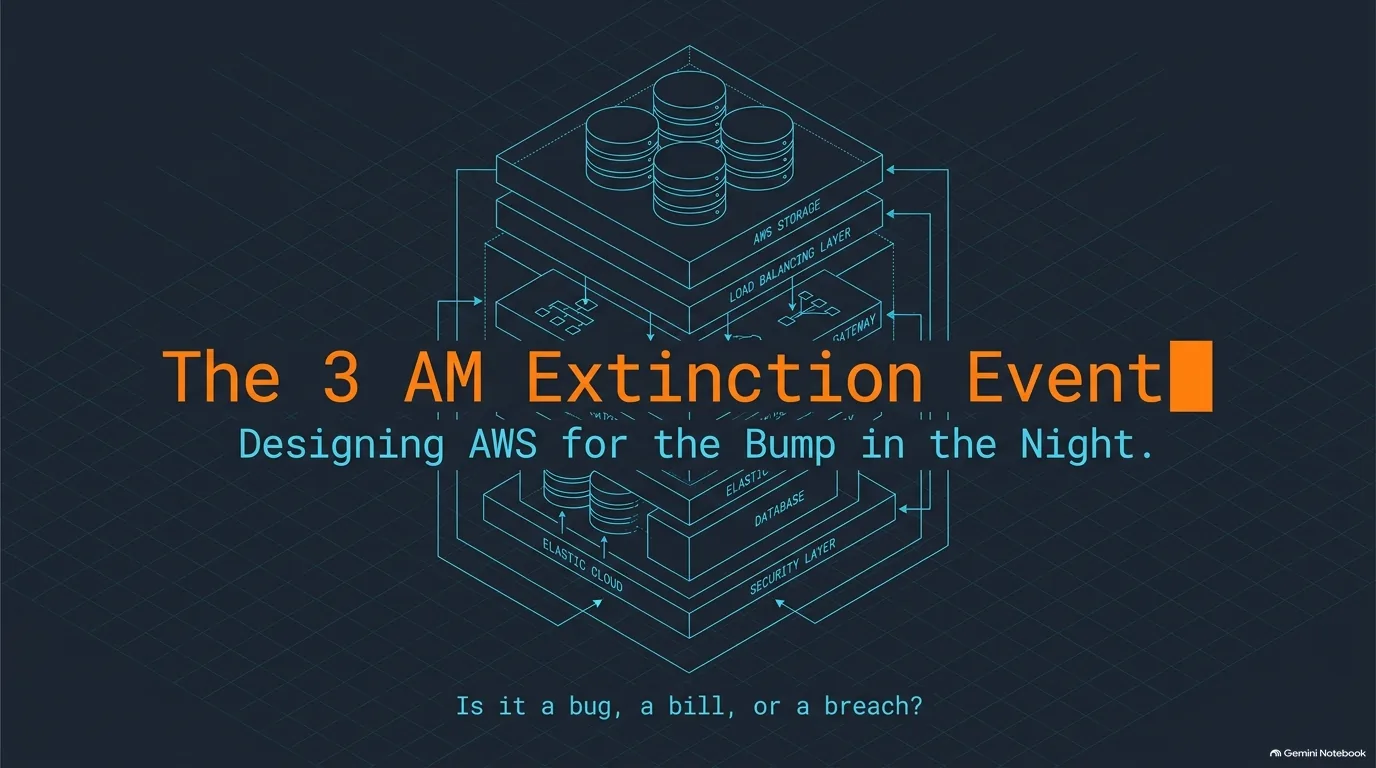
Most AWS disasters aren't exotic. They're a leaked access key, a wildcard permission, a public S3 bucket or a database the internet can reach, each one a convenient choice somebody made on a quiet afternoon. AWS consultant Matt Lea walks through his dos and don'ts: Docker images instead of hand-tuned servers, infrastructure as code, IAM roles instead of keys, private subnets and tight security groups, CloudFront in front of S3, and keeping an eye on the bill. Then comes the part you can't configure: practicing the incident before it happens.
DiskCache is a Python library that works like a dictionary but stores everything in SQLite on disk, so cached values survive restarts and can be shared by every process on the machine. It's a fit for web apps and for data work alike, from avoiding repeated expensive LLM calls to surviving long notebook runs. Disk is cheap and fast now, so for a lot of caching jobs you don't need Redis or more RAM. You need a decorator.