AI coding agents for Python developers

These guides show how Python developers actually work with AI coding agents like Claude Code and Codex, and the guardrails that keep the results honest. Agentic tools don't just finish a line. They read your repo, run commands, see the errors and try again. That changes the job: you brief the agent like a junior developer, commit after every small task and clean up technical debt before the agent copies it. It changes who builds software too, since internal tools nobody dared touch are suddenly cheap to fix, and open source maintainers now field far more code than before.

Each guide comes from a Talk Python to Me conversation with people who use and build these tools daily, illustrated, with quotes and links. Matt Makai shares his tactics from a Django code base he wrote by hand over three years. marimo pair drops an agent inside a live notebook so it sees the same data frame you do. LangChain's Deep Agents unpacks the harness that makes Claude Code feel smarter than a chat box, and Paolo Melchiorre tracks what AI-generated pull requests are doing to the people who review them.

5 visual guides, the ones most focused on this topic first.

Hyper-Team Software and Enterprise Dark Matter

With Michael Booth

Most software inside a company is small, internal and frozen: tools nobody understands and nobody dares touch. AI coding agents have collapsed the cost of building and fixing that kind of software, which opens the door to hyper-team software, small tools a team builds for itself. Michael Booth and Michael Kennedy walk through where it pays off (onboarding, UX polish, embedded databases, documentation), where it quietly goes wrong, and the guardrails that keep it honest.

Read the guide →

Putting a Coding Agent Inside a Live marimo Notebook

With Trevor Manz

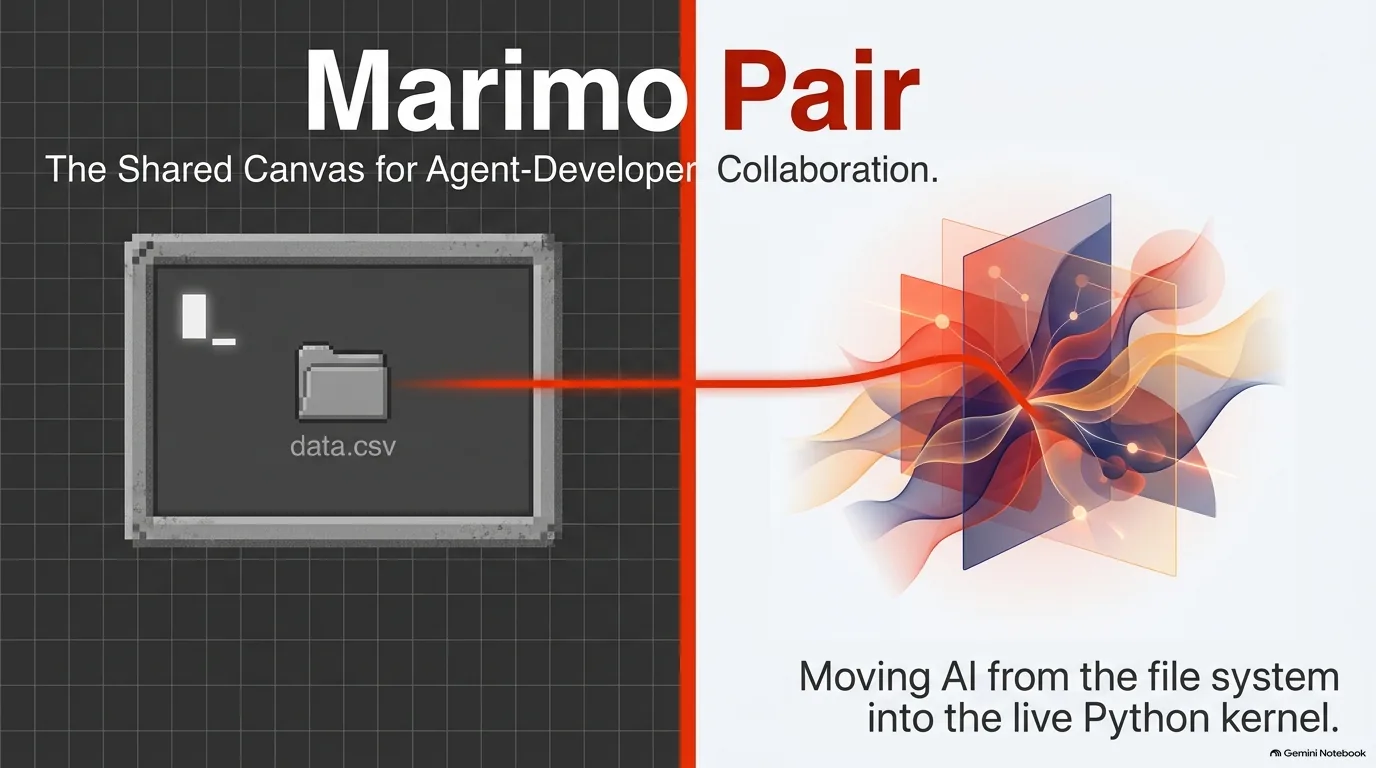
Coding agents are great when the files on disk are the whole story. Data work isn't like that: what matters is the data frame sitting in memory and the plot you just made. marimo pair is an agent skill that puts Claude Code, Codex or any other agent inside a running marimo notebook, with one tool, run Python in the kernel, so it can see the same live state you do and build the notebook cell by cell.

Read the guide →

The State of Python in 2026

With Calvin Hendryx-Parker, Pat Decker, Reuven Lerner, and Sydney Runkle

AI coding agents have reopened almost every choice in the Python toolchain. uv won package management, and PEP 723 lets a single Python file carry its own dependencies and run like a Bash script. Type checkers and Pydantic have become guardrails for code an agent writes. Postgres is still the default database, while SQLite and DuckDB keep picking up new jobs. And docs now get written for two readers: people and LLMs.

Read the guide →

Personal AI Agents with Hermes

With Jeff Triplett

Hermes is an open source, self-hosted AI agent from Nous Research, written in Python, that runs around the clock on a machine you control and talks to you through chat apps. You teach it new jobs by talking to it, and it writes its own skills, schedules and Python scripts, then remembers them. The practical lessons are old engineering ones: pick a model that can call tools, turn fuzzy steps into verified Python and CLIs, and keep the agent isolated until you know what it can reach.

Read the guide →

A Developer's Tool Stack, From Terminal to AI Agent

With Calvin Hendryx-Parker

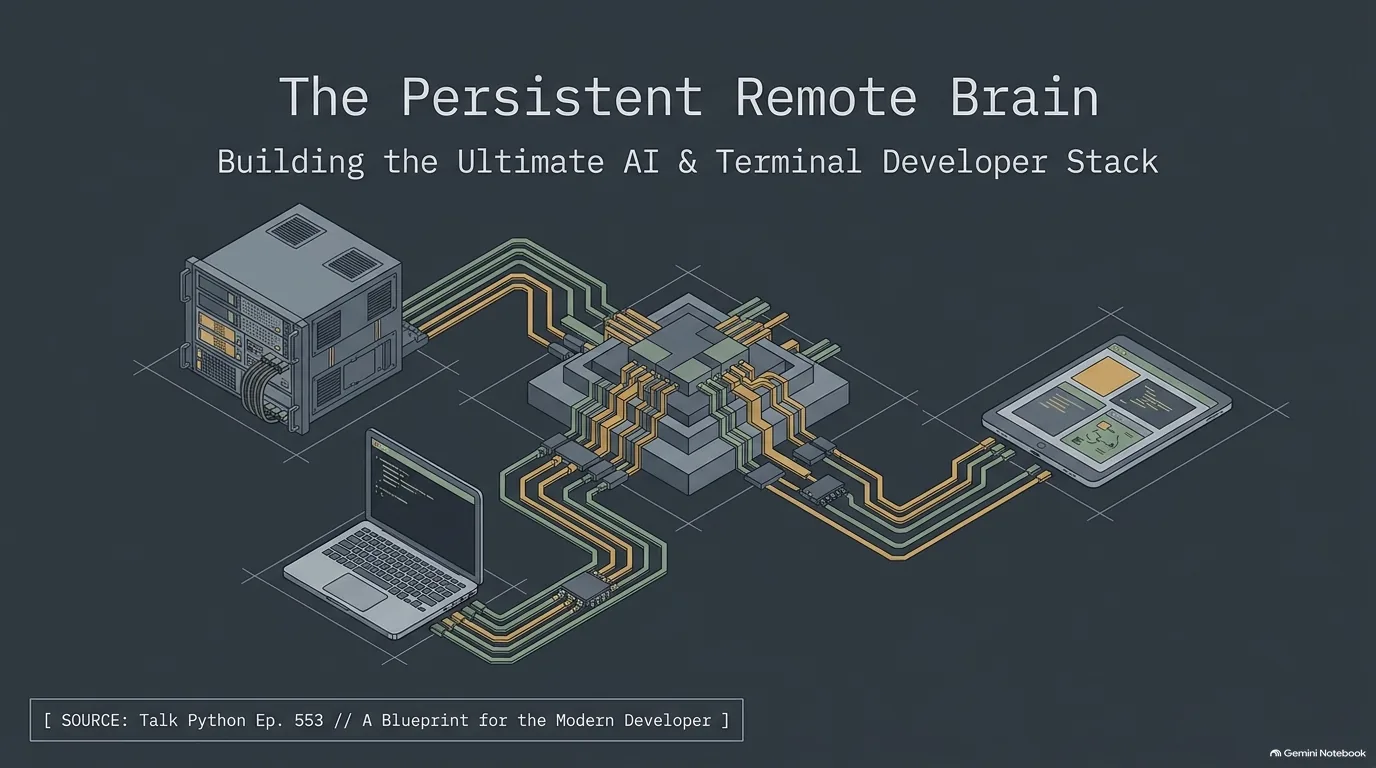
Michael Kennedy and Calvin Hendryx-Parker each picked the developer tools they lean on every day, and the picks stack up in layers. Tailscale, Mosh and tmux keep machines and sessions reachable from anywhere. Warp, Kitty, Blink and a tuned-up shell prompt make the terminal a nicer place to live. Pi, Superpowers, Claude Code and MacWhisper cover AI coding and dictation. The common thread: the defaults that ship with your computer leave a lot on the table.

Read the guide →

Browse all guides →

Talk Python's Mastodon Michael Kennedy's Mastodon